News

Operational update: ongoing supply chain disruptions in the Middle East

Current situation & operational impacts

Recent developments in the Middle East continue to have a significant impact on international logistics networks. Below is an overview of the current situation, operational implications, and available alternatives.

  • The Strait of Hormuz remains closed to commercial traffic, resulting in vessels holding position and minimal transit activity.
  • Transit times are extended by 1–3 weeks due to rerouting, limited capacity, and the lack of safe corridors.
  • Dangerous goods restrictions remain in place across major carriers, with DG acceptance suspended for affected trades.
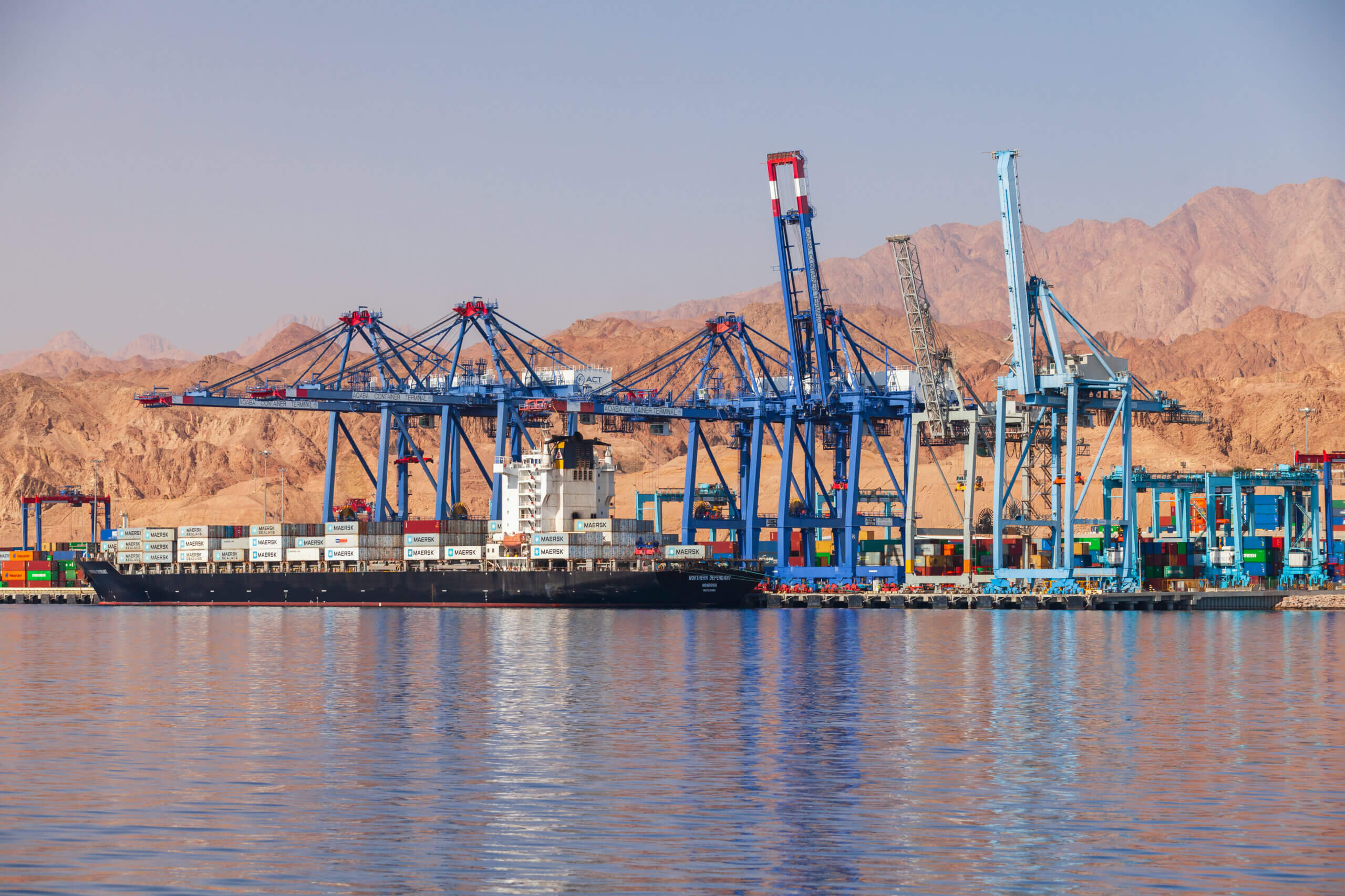
  • Port congestion and vessel schedule disruptions continue, particularly across Gulf region ports operating at reduced capacity. This congestion is also affecting feeder networks, warehouses, and inland transport.

End-of-voyage actions

  • Several carriers have started early termination of voyages to free up vessels and reposition capacity.
  • As a result, cargo is being discharged at alternative ports, where we can support you with pick‑up arrangements.
  • Depending on the final destination, onward feedering or inland transport may still be required, but these early‑termination calls help keep cargo moving despite restrictions at the original port of discharge.

Carrier measures & surcharges

  • Emergency fuel surcharges continue to rise due to extended rerouting and increased bunker consumption.
  • War-risk and emergency operational surcharges remain active on Middle East-linked corridors.
  • Spot rates are increasing, driven by tightened capacity and prolonged voyage times.
  • Booking restrictions into Gulf ports remain in effect due to growing backlogs and limited discharge options.

Alternative solutions

To help maintain flexibility in your supply chain, we offer several alternatives:

  • Tailor‑made routing solutions based on your specific cargo requirements.
  • Transit customs clearance through partners in Khor Fakkan, Sohar, and Salalah for flexible onward planning.
  • Jeddah as a gateway port for new bookings, with onward connections to Doha, UAE, Bahrain, and Kuwait.
  • Turkey as an alternative discharge location for Northern Middle East flows.

News posts

You need more information?

Contact us